Have you been feeling low, unmotivated or disconnected from the things that used to bring you enjoyment? Perhaps you're struggling to find energy for everyday activities, feeling overwhelmed by negative thoughts or finding it difficult to see a way forward.
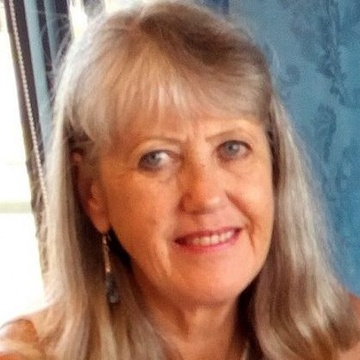
I'm Catherine, an experienced counsellor offering individual depression counselling in central Wellington.
I provide a warm, respectful and non-judgemental space where you can talk openly about how you're feeling, explore what may be contributing to your difficulties and consider ways to move forward.
My approach is holistic, recognising that our thoughts, emotions, relationships and physical wellbeing are closely connected.
Recognising depression and low mood
Everyone experiences sadness or periods of low mood from time to time. However, when these feelings continue or begin affecting your everyday life, it may be helpful to seek support.
Depression doesn't always feel like sadness. Sometimes it involves a sense of emptiness, emotional numbness or losing interest in things that previously felt meaningful.
You may be experiencing:
- Persistent sadness, emptiness or hopelessness
- Low energy and difficulty finding motivation
- Loss of interest in activities, relationships or hobbies
- Feeling disconnected from other people
- Self-criticism, guilt or feelings of worthlessness
- Changes in sleep or appetite
- Difficulty concentrating or making decisions
- Irritability, frustration or emotional sensitivity
- Withdrawing from friends, family or social activities
- Feeling stuck or uncertain about the future
These experiences can vary considerably from person to person. You don't need to have a formal diagnosis of depression to benefit from counselling.
Understanding what may be contributing to your feelings
Sometimes depression or low mood develops following a difficult experience, such as the loss of a loved one, relationship problems, workplace stress or a major life change.
At other times, there may be no single obvious reason for how you're feeling.
Our past experiences, beliefs about ourselves, relationships and current circumstances can all influence our emotional wellbeing.
In counselling, we can begin by exploring what's happening in your life and how you're experiencing it.
Perhaps you've been putting other people's needs ahead of your own, struggling with ongoing stress or feeling disappointed about how certain aspects of your life have developed.
Together, we can explore these experiences without judgement and consider what might help you regain a greater sense of direction and possibility.
Depression, self-esteem and relationships
When you're feeling depressed, it can become difficult to recognise your strengths or see yourself in a positive light.
You may find yourself focusing on perceived failures, comparing yourself with others or feeling that you're not good enough.
Low mood can also affect relationships. You might withdraw from the people you care about, feel misunderstood or find it difficult to explain what you're experiencing.
Sometimes this creates additional loneliness or tension, even when others genuinely want to help.
Counselling offers an opportunity to explore these patterns, develop greater self-understanding and consider how to communicate your needs more openly.
We can also look at boundaries, expectations and the relationships that influence your wellbeing.
The connection between emotional and physical wellbeing
Depression can affect both how you feel emotionally and how you experience your body.
You might notice physical tiredness, muscular tension, changes in your energy or a general feeling of heaviness.
Alongside traditional talking therapies, my ongoing training as a Bioenergetic Psychotherapist in Training has strengthened my interest in the connection between mind and body.
Body-centred counselling involves developing awareness of physical sensations and the ways emotions and tension may be experienced in the body.
This can provide another perspective when exploring difficult feelings, particularly when it's hard to put your experiences into words.
Any body-centred work is considered in relation to your individual needs and comfort.
My approach to depression counselling
I believe that counselling should offer a place where you feel listened to, respected and supported, without pressure to have everything figured out.
My approach draws on Person-Centred Practice, Solution-Focused Therapy, Transactional Analysis and mindfulness.
Depending on your circumstances, our sessions may involve exploring difficult emotions, understanding patterns of thinking or behaviour, discussing relationships or identifying small, practical steps that feel manageable.
Sometimes you may simply need a place to talk and be heard. At other times, you may appreciate suggestions, observations or support in considering different possibilities.
We can work together at a pace that suits you, focusing on what feels most important in your life.
Counselling can be a valuable source of support, although some people experiencing depression may also benefit from medical assessment or additional mental health care.
Finding a way forward
When you're experiencing depression or persistent low mood, even ordinary tasks can feel demanding.
You may feel uncertain about what you want or whether things can change.
You don't have to solve everything at once.
Counselling can provide an opportunity to reflect on where you are, reconnect with what matters to you and begin exploring changes that feel realistic for your circumstances.
The aim isn't to force positivity or dismiss difficult emotions, but to help you develop greater understanding, self-compassion and a sense of possibility.
Depression counselling in Wellington
I offer face-to-face individual counselling at my practice in central Wellington.
Online counselling is also available for people who prefer to attend remotely.
Whether you've been experiencing low mood for a short time or have been struggling for much longer, you're welcome to get in touch.
Would you like to know more or make an appointment? Please feel free to contact me.
Catherine
Counsellor