Have you experienced something difficult or overwhelming that continues to affect how you feel, think or relate to others? Perhaps you find yourself feeling anxious, emotionally overwhelmed or disconnected, even when the experience itself happened a long time ago.
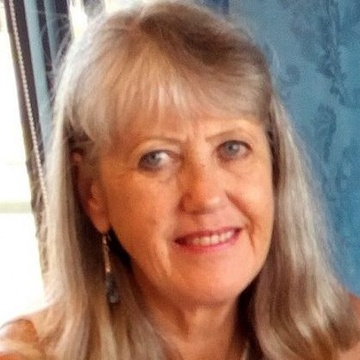
I'm Catherine, an experienced counsellor offering individual trauma counselling in central Wellington.
I provide a supportive, non-judgemental space where you can explore difficult experiences, understand how they may be affecting your life and begin finding ways to feel more grounded and connected to yourself.
My approach is holistic, recognising that our emotions, thoughts, relationships and physical wellbeing are closely connected.
How can trauma affect you?
Trauma can develop following a distressing event or a series of experiences that leave you feeling unsafe, powerless or overwhelmed.
Sometimes the impact is immediately noticeable. At other times, you may only begin to recognise its effects months or years later.
Difficult experiences can affect people in many different ways. You might notice:
- Anxiety, fear or a constant sense of being on edge
- Feeling emotionally overwhelmed or struggling to regulate your emotions
- Difficulty trusting other people or feeling safe in relationships
- Low self-esteem, shame or self-critical thoughts
- Sleep difficulties or persistent worrying
- Feeling disconnected from your emotions or surroundings
- Physical tension, restlessness or difficulty relaxing
- Avoiding situations that remind you of past experiences
- Challenges with intimacy, boundaries or emotional closeness
There is no single way to respond to trauma. What feels deeply distressing to one person may affect another differently, depending on their circumstances, history and available support.
You don't need to compare your experiences with those of others to recognise that something has been difficult for you.
Understanding the connection between trauma and the body
Difficult experiences can affect more than our thoughts and feelings.
You may notice that your body responds to certain situations before you have had time to understand what is happening emotionally.
For example, you might experience tightness in your shoulders, shallow breathing, a racing heart or a sense of tension when faced with conflict or uncertainty.
These physical responses can sometimes be connected to experiences of prolonged stress or feeling unsafe.
Alongside traditional talking therapies, I offer a body-centred perspective as a Bioenergetic Psychotherapist in Training.
This involves paying attention to the relationship between emotional experiences and physical sensations, including chronic muscular tension and patterns of holding stress in the body.
By developing greater awareness of these connections, we can explore ways of understanding and responding to difficult emotions.
You can read more about this approach on my Somatic & Body-Centred Therapy page.
Exploring difficult experiences at your own pace
Talking about painful experiences can feel daunting, particularly if you have spent a long time trying not to think about them.
You may be unsure where to begin, worried about becoming overwhelmed or uncertain about what you want to share.
I believe that counselling should be guided by your individual needs and circumstances.
We don't have to explore every detail of a difficult experience. Sometimes the most helpful starting point is understanding how you are feeling now and what you need in your everyday life.
Together, we can look at what is troubling you, recognise patterns that may have developed over time and explore practical ways to support your emotional wellbeing.
My aim is to create a respectful space where you feel listened to, understood and supported.
Trauma, relationships and self-esteem
Past experiences can sometimes influence how we see ourselves and connect with other people.
You might find it difficult to trust others, express your needs or maintain healthy boundaries.
Perhaps you are particularly sensitive to criticism, worry about being rejected or find yourself repeating relationship patterns that leave you feeling unhappy.
These difficulties can affect friendships, intimate relationships, family connections and your confidence in everyday situations.
Counselling offers an opportunity to become more aware of these patterns and explore how your past experiences may be influencing your present life.
We can also work towards developing greater self-understanding, confidence and a more compassionate relationship with yourself.
My approach to trauma counselling
I work in a warm, practical and holistic way, recognising that everyone has their own experiences, strengths and ways of coping.
My counselling background includes Person-Centred Practice, Solution-Focused Therapy, Transactional Analysis and mindfulness.
These approaches can help us explore your thoughts, feelings, relationships and the changes you would like to make.
My ongoing training in Bioenergetic Psychotherapy also informs my interest in how emotions and experiences are reflected in the body.
Depending on your needs, our sessions may involve talking through current difficulties, developing greater awareness of emotional and physical responses, exploring relationship patterns or finding ways to feel more confident in everyday life.
We can work together to identify what feels most important for you, without pressure to follow a particular path or reach a particular outcome.
Trauma counselling in Wellington
I offer face-to-face individual counselling at my practice in central Wellington.
Online counselling is also available for people who prefer to attend sessions remotely.
Whether you're struggling with the effects of a recent experience or something from much earlier in your life, you're welcome to get in touch.
You don't need to have a diagnosis or be certain that what you've experienced is trauma to seek support.
Would you like to know more or make an appointment? Please feel free to contact me.
Catherine
Counsellor