Are you struggling with the loss of someone important to you, or finding it difficult to come to terms with a significant change in your life? Perhaps you're experiencing sadness, loneliness or a sense of emptiness, or you're unsure how to move forward after something meaningful has changed.
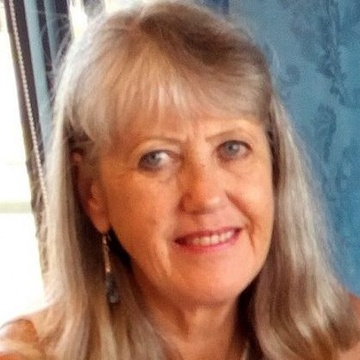
I'm Catherine, an experienced counsellor offering individual grief and loss counselling in central Wellington.
I provide a warm, respectful and supportive space where you can talk openly about your experiences, explore difficult emotions and find your own way of adjusting to loss.
Grief is deeply personal, and I believe there is no single right way to experience it.
Understanding grief and loss
Grief is a natural response to losing someone or something important to us.
While we often associate grief with the death of a loved one, people can experience similar feelings following many different kinds of loss.
You may be grieving:
- The death of a loved one – losing a partner, parent, child, family member or close friend
- The end of a relationship – separation, divorce or the loss of an important connection
- Changes in health – adjusting to illness, injury or changes in physical abilities
- A career or financial loss – redundancy, retirement or unexpected changes in your circumstances
- Changes in family life – children leaving home, family conflict or changing responsibilities
- Loss of identity or purpose – feeling uncertain about who you are following a major life change
- Unfulfilled hopes – coming to terms with a future that has turned out differently than you expected
Sometimes several losses happen close together, making it particularly difficult to find your balance.
Whatever the circumstances, your experience of grief deserves to be acknowledged.
How grief can affect you
Grief doesn't always follow a predictable pattern.
Some days you may feel reasonably able to manage everyday life, while on other days even small tasks can feel overwhelming.
You might experience sadness, anger, guilt, anxiety, confusion or emotional numbness.
Grief can also affect your sleep, concentration, energy and relationships.
Perhaps you feel pressure to be strong for other people, or worry that you should be coping better by now.
You may also find that friends or family expect you to move forward before you feel ready.
There is no fixed timetable for grieving, and different people respond to loss in different ways.
Counselling can provide a space where you don't have to meet anyone else's expectations or hide how you're feeling.
Finding your way through bereavement
Losing someone close to you can change many aspects of everyday life.
Alongside missing the person, you may be adjusting to different routines, responsibilities or relationships.
You might find yourself thinking about things you wish you had said or done, feeling angry about the circumstances of the loss or struggling with unanswered questions.
At times, you may want to talk about memories and the person you've lost. At other times, you may prefer to focus on how you're managing in the present.
In counselling, we can explore whatever feels important to you.
The aim isn't to forget the person or move on according to someone else's timetable. Instead, we can look at how you might carry your memories and feelings while gradually finding ways to live with the changes in your life.
Grief following relationship changes and other losses
Not all grief is connected to bereavement.
The end of a relationship can involve losing companionship, shared plans, financial security or a sense of belonging.
Similarly, illness, career changes or retirement can affect how you see yourself and what gives your life meaning.
These experiences can bring a mixture of emotions, including sadness, relief, disappointment, uncertainty and sometimes hope.
You may feel confused about having different or seemingly contradictory feelings at the same time.
Counselling offers an opportunity to explore these emotions without judgement and reflect on what the changes mean for you.
Together, we can consider what you need as you adjust to a different stage of life.
Grief, emotions and the body
Loss can affect both emotional and physical wellbeing.
You may notice tiredness, difficulty sleeping, muscular tension, restlessness or a sense of heaviness in your body.
My approach recognises the connection between our thoughts, emotions and physical experiences.
Alongside talking therapies, I offer a body-centred perspective informed by my ongoing training in Bioenergetic Psychotherapy.
Where appropriate, this may involve developing greater awareness of how you experience emotions and tension in your body.
There is no expectation that you should express your grief in a particular way. We can explore what feels comfortable and helpful for you.
My approach to grief counselling
My counselling approach is warm, compassionate and holistic.
I draw on Person-Centred Practice, Solution-Focused Therapy, Transactional Analysis and mindfulness, adapting my work to the needs of each person.
Sometimes you may simply need someone to listen, without trying to fix how you're feeling.
At other times, you may appreciate support in making decisions, understanding changes in your relationships or considering practical ways to manage everyday challenges.
I aim to provide a space where you can reflect on your loss, acknowledge your feelings and explore what matters to you.
You don't have to have all the answers, and there is no pressure to move forward before you're ready.
Grief counselling in Wellington
I offer face-to-face individual counselling at my practice in central Wellington.
Online counselling is also available for people who prefer to attend remotely.
Whether your loss is recent or happened many years ago, you're welcome to get in touch.
Would you like to know more or make an appointment? Please feel free to contact me.
Catherine
Counsellor