Do you sometimes feel that your anger gets the better of you? Perhaps you become frustrated more quickly than you'd like, find yourself reacting strongly to certain situations or struggle to express how you're feeling without arguments developing.
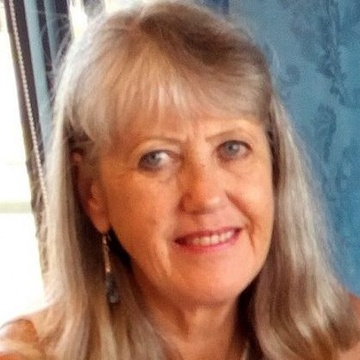
I'm Catherine, an experienced counsellor offering anger management counselling in central Wellington.
I support people who want to better understand their anger, recognise what triggers their reactions and develop healthier ways of expressing difficult emotions.
My approach is warm, respectful and non-judgemental. I believe that understanding what lies beneath anger can be an important step towards responding differently.
Understanding anger and frustration
Anger is a natural human emotion. It can arise when we feel threatened, hurt, misunderstood, treated unfairly or unable to meet our needs.
Sometimes anger helps us recognise that something is wrong or that an important personal boundary has been crossed.
However, when anger becomes frequent, intense or difficult to manage, it can begin to affect our relationships, wellbeing and everyday life.
You may recognise some of these experiences:
- Frequent irritability – becoming frustrated by situations that previously wouldn't have bothered you
- Strong emotional reactions – feeling overwhelmed by anger or struggling to calm down
- Relationship conflicts – arguing frequently with a partner, family members or friends
- Workplace frustration – reacting strongly to criticism, disagreements or difficult colleagues
- Feeling misunderstood – becoming angry when you feel ignored, dismissed or not listened to
- Holding anger inside – suppressing frustration until it builds up or comes out unexpectedly
- Regret after arguments – wishing you had responded differently or feeling guilty about things you've said
- Difficulty setting boundaries – feeling resentful because your needs aren't being recognised
Anger affects everyone differently. Some people express it openly, while others withdraw, become silent or turn their frustration inward.
Counselling can help you explore your particular experience and consider how you would like to respond.
Recognising your anger triggers
Sometimes we understand exactly why we're angry. At other times, our reactions may seem stronger than the situation warrants.
Perhaps a particular tone of voice, criticism or feeling of rejection brings up emotions that are difficult to manage.
Our responses can be influenced by past experiences, expectations, relationships and beliefs about ourselves.
In counselling, we can explore the situations that trigger your anger and what may be happening beneath the surface.
For example, anger may sometimes be connected to feelings of hurt, fear, disappointment, shame or not being respected.
Understanding these underlying emotions can help you recognise familiar patterns and consider different ways of responding.
The aim isn't to eliminate anger, but to develop a healthier relationship with it.
Anger and the connection between mind and body
Anger can involve strong physical sensations.
You may notice your muscles tightening, your heart beating faster, your breathing changing or a feeling of heat or pressure in your body.
These responses can happen quickly, sometimes before you've had time to understand what you're feeling.
Alongside traditional talking therapies, I offer a body-centred perspective informed by my ongoing training as a Bioenergetic Psychotherapist in Training.
This approach involves paying attention to the relationship between physical tension and emotional experiences.
By becoming more aware of the physical signs that accompany anger, we can explore how you recognise your emotions and what may help you respond more thoughtfully.
Body-centred awareness can complement our conversations about your experiences, relationships and behaviour.
Anger in relationships
Anger can become particularly challenging when it affects people we care about.
Perhaps disagreements with your partner repeatedly turn into arguments, or you find yourself becoming defensive, withdrawing or saying things you later regret.
Sometimes anger is connected to feeling unheard, unappreciated or uncertain about how to communicate your needs.
Over time, these patterns can create emotional distance, resentment or difficulties with trust.
In individual counselling, we can explore how you respond during conflict, what you may be trying to communicate and how to express your feelings more constructively.
We can also look at personal boundaries, expectations and the way past experiences influence your relationships.
If you and your partner would prefer to explore relationship difficulties together, I also offer couples and relationship counselling in Wellington.
Finding healthier ways to express anger
Managing anger doesn't necessarily mean keeping your feelings to yourself or avoiding disagreements.
Learning to express frustration respectfully can be an important part of maintaining healthy relationships and personal boundaries.
In counselling, we may explore how to:
- Recognise early signs of frustration and emotional tension
- Understand the situations and feelings that trigger anger
- Become more aware of familiar reactions and behaviour patterns
- Communicate your needs and concerns more clearly
- Develop healthier personal boundaries
- Respond to disagreements without immediately escalating conflict
- Reflect on difficult experiences and consider different choices
The focus will depend on your individual circumstances and what you would like to change.
My approach to anger management counselling
My counselling approach is person-centred, supportive and practical.
I draw on Person-Centred Practice, Solution-Focused Therapy, Transactional Analysis and mindfulness, adapting my work to each person's needs.
I provide a space where you can talk openly about difficult feelings without being judged for experiencing them.
Together, we can explore your personal history, the situations that contribute to your anger and the ways your responses may be affecting your life.
Sometimes our work may focus on practical changes in communication or behaviour. At other times, we may explore deeper emotional patterns or experiences that continue to influence how you respond.
My aim is to help you develop greater self-understanding and find ways of expressing your emotions that support your wellbeing and relationships.
Anger management counselling in Wellington
I offer face-to-face individual counselling at my practice in central Wellington.
Online counselling is also available for people who prefer to attend remotely.
Whether you're struggling with frequent frustration, relationship conflicts or anger that feels difficult to control, you're welcome to get in touch.
Would you like to know more or make an appointment? Please feel free to contact me.
Catherine
Counsellor